Capstone Projects
Where Learning Becomes Capability
Capstone projects are where knowledge is tested against reality.
At Netacradle, capstones are not demonstrations or classroom exercises.
They are integrated system projects designed to mirror real-world engineering challenges — from concept to deployment.
Every learner, at every advanced stage, completes a capstone that brings together hardware, software, data, and decision-making.
Why Capstone Projects Matter
Modern engineering roles demand more than technical knowledge.
They require the ability to:
define problems clearly
integrate multiple technologies
work under constraints
document decisions
deliver functioning systems
Capstone projects are how we ensure learners are ready for real responsibility.
Capstones at Every Stage
Capstone work evolves as learners progress through the Netacradle pathway.
Early Stages (Primary & Secondary School)
Capstones focus on:
creativity
confidence
clear explanation of ideas
Examples:
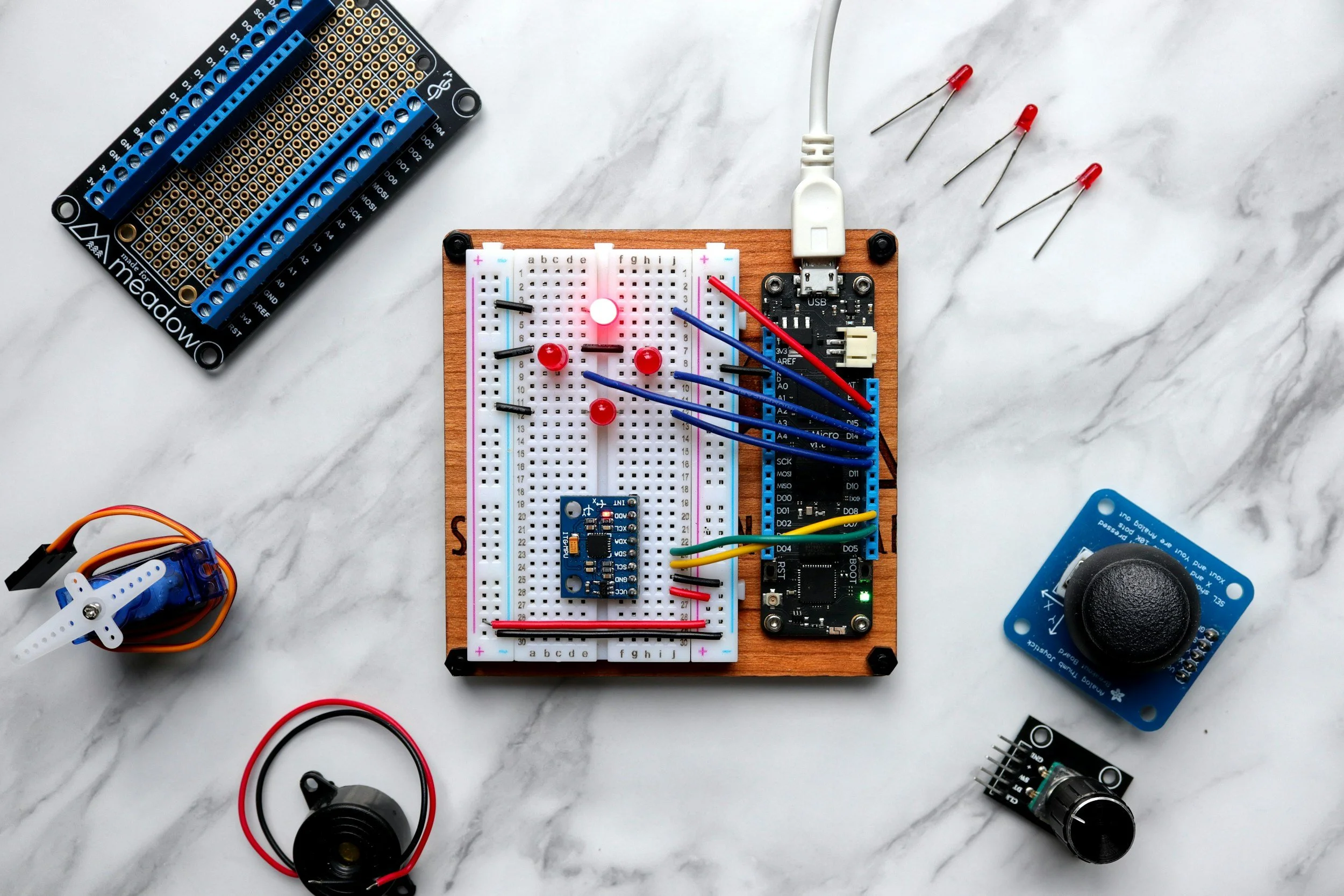
Interactive devices responding to sensors
Simple automation challenges
Problem-solving through physical computing
Pre-University & Polytechnic
Capstones focus on:
engineering discipline
reliability
repeatability
Examples:
Smart irrigation systems
Wireless sensor networks
Automated environmental control modules
Students are assessed on functionality, robustness, and documentation.
University Level
Capstones focus on:
systems integration
software architecture
robotics and AI
Examples:
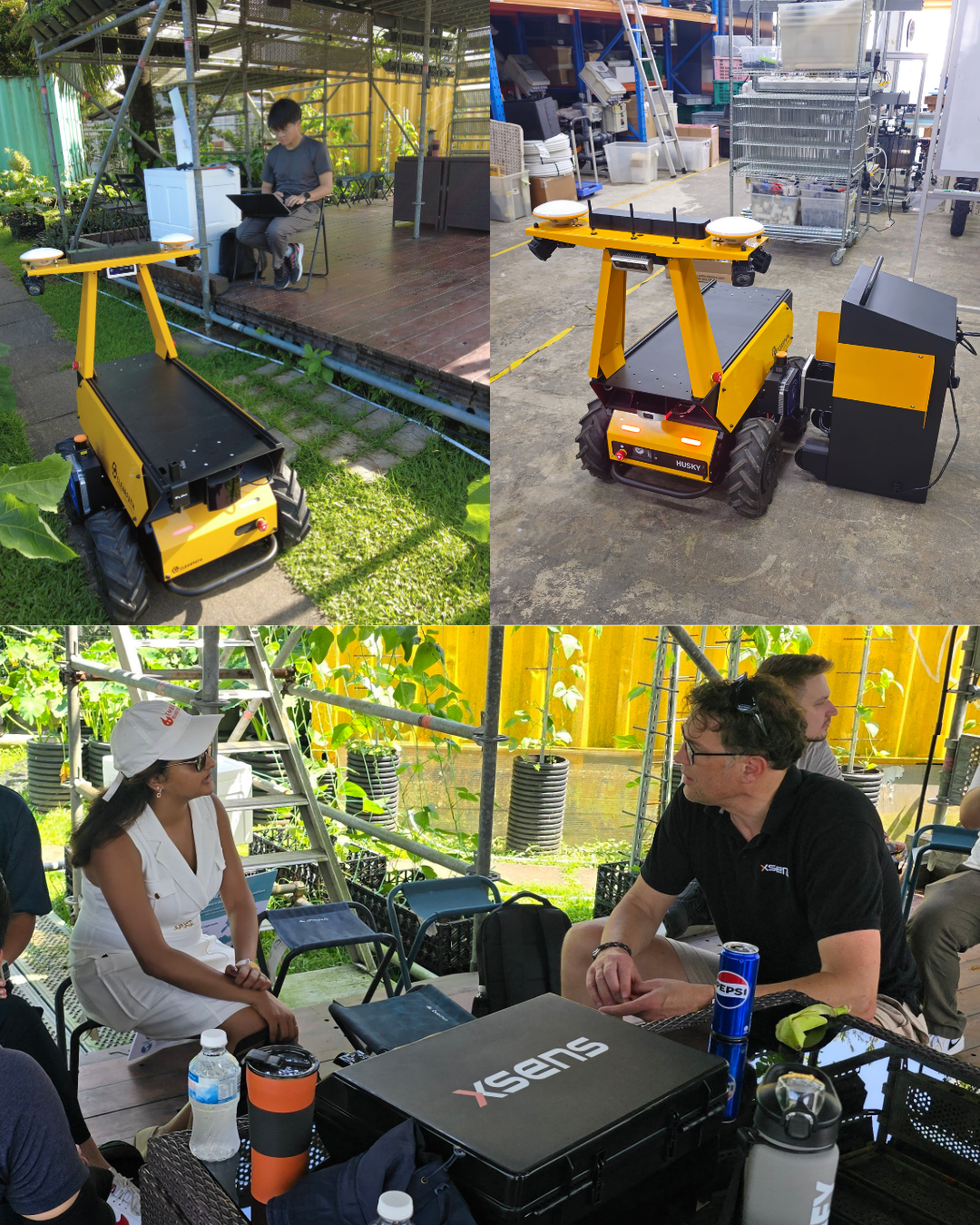
Autonomous mobile robots
Computer vision inspection systems
Phenotyping and data-driven automation platforms
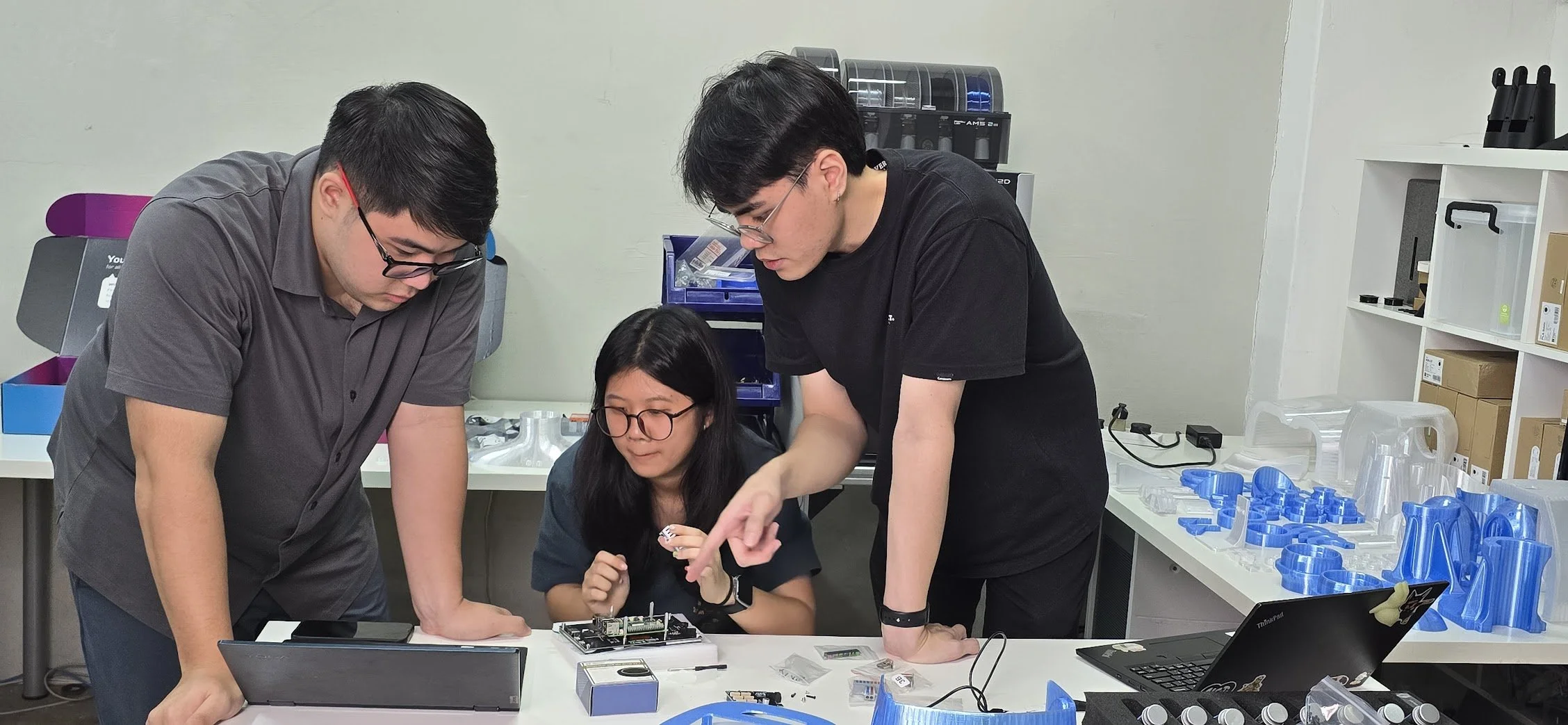
Students work in teams, conduct design reviews, and justify architectural choices.
Industry & Professional Level
Capstones focus on:
deployment
operations
responsibility
Examples:
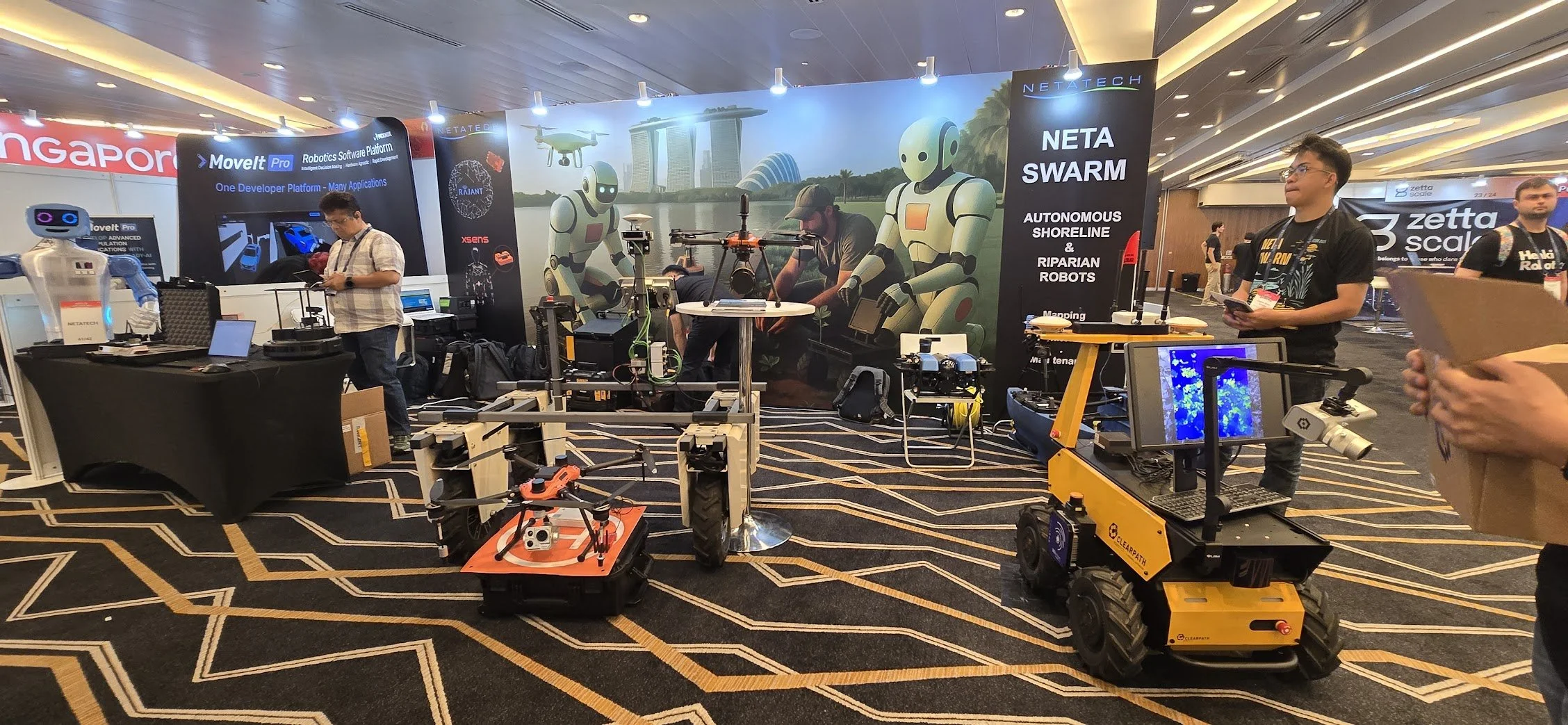
Robotics systems deployed in operational environments
Intelligent infrastructure monitoring platforms
Healthcare or logistics automation solutions
Participants are evaluated on performance, safety, reliability, and maintainability.
How Capstone Projects Are Designed
Every Netacradle capstone project is built around:
a real-world problem statement
clear technical and operational constraints
defined success criteria
measurable outcomes
Learners must:
design system architecture
integrate hardware and software
test under realistic conditions
document decisions and trade-offs
Assessment Beyond Code
Capstones are not graded on code alone.
Assessment includes:
system performance
reliability and failure handling
documentation and design rationale
teamwork and communication
ethical and safety considerations
This mirrors how real engineering work is evaluated.
Industry-Relevant Platforms
Capstone projects use the same platforms learners encounter in industry, including:
embedded controllers and sensors
Linux-based edge computing
robotics middleware (ROS 2)
cameras, LiDAR, and AI pipelines
industrial controllers and robots
The emphasis is on transferable systems thinking, not platform-specific tricks.
Supervision and Review
Capstones are guided by:
experienced mentors
structured checkpoints
design and review sessions
Learners receive feedback not only on what they built, but how they built it.
Preparing Learners for What Comes Next
Capstone projects prepare learners to:
enter higher education with confidence
transition into advanced robotics and AI roles
contribute meaningfully in professional environments
They are the culmination of the Netacradle learning journey — where learners demonstrate that they are ready for the next stage.
From Capstone to Capability
At Netacradle, capstone projects are not the end of learning.
They are the point where learners move from:
learning concepts → applying systems
following instructions → making decisions
building projects → owning outcomes
If you are an institution or organisation looking to anchor learning in real-world challenges, Netacradle capstones provide the bridge between education and impact.