
Explore
Physical AI
AI is moving from screens into the real world — where machines, robots, sensors, and intelligent systems can interact with their environment.
Physical AI helps students understand how artificial intelligence connects with hardware, sensors, robotics, automation, and real-world problem solving. It is where coding meets the physical world.
What is Physical AI?
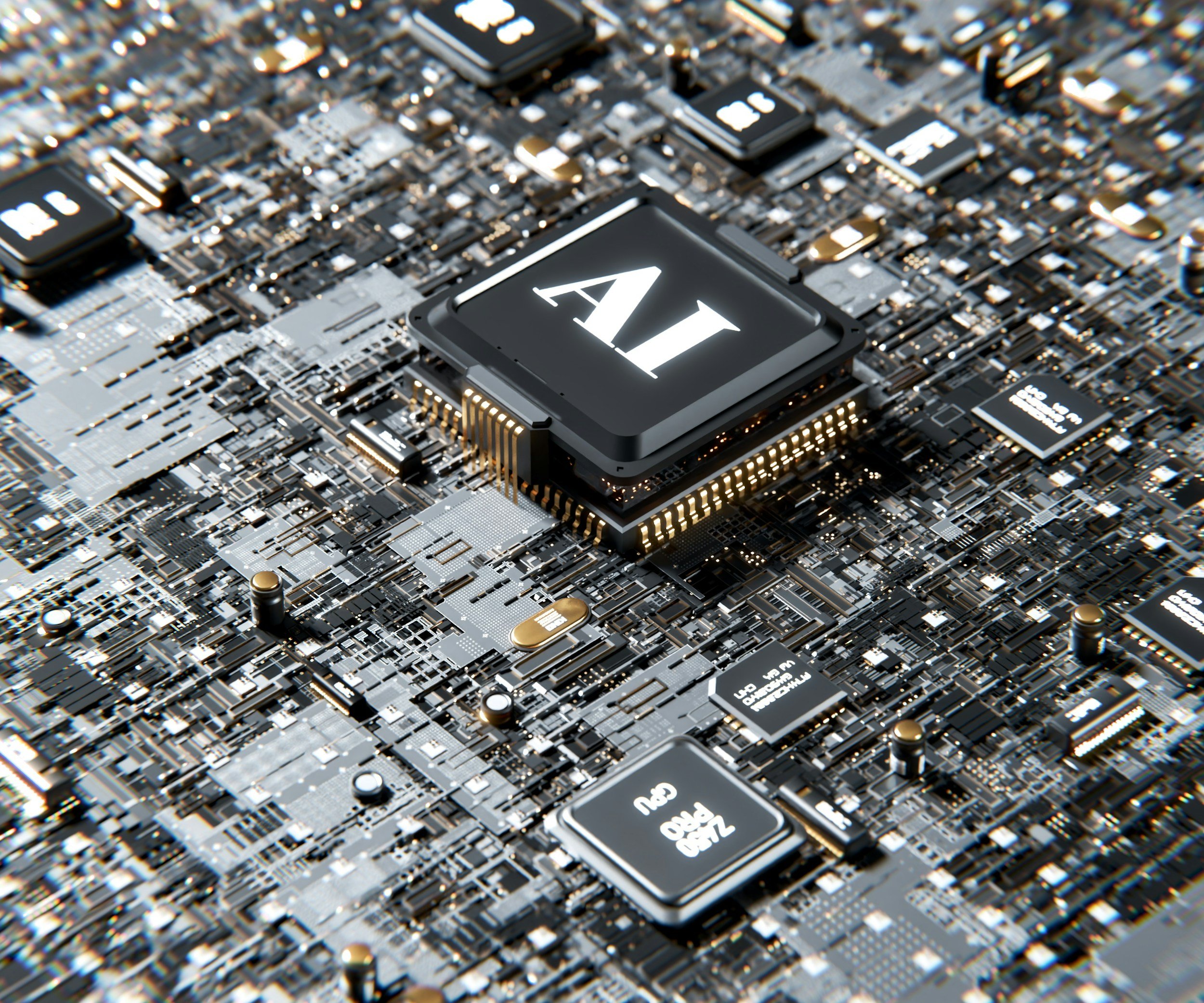
Physical AI refers to intelligent systems that can interact with the physical world.
Unlike traditional AI that mainly works with text, images, or data on a screen, Physical AI combines AI with sensors, cameras, motors, robotics, embedded systems, and automation.
It allows machines and devices to sense what is happening, understand the information, decide what to do, and act in response.
The 4-Step Framework of Physical AI
From the real world to intelligent action
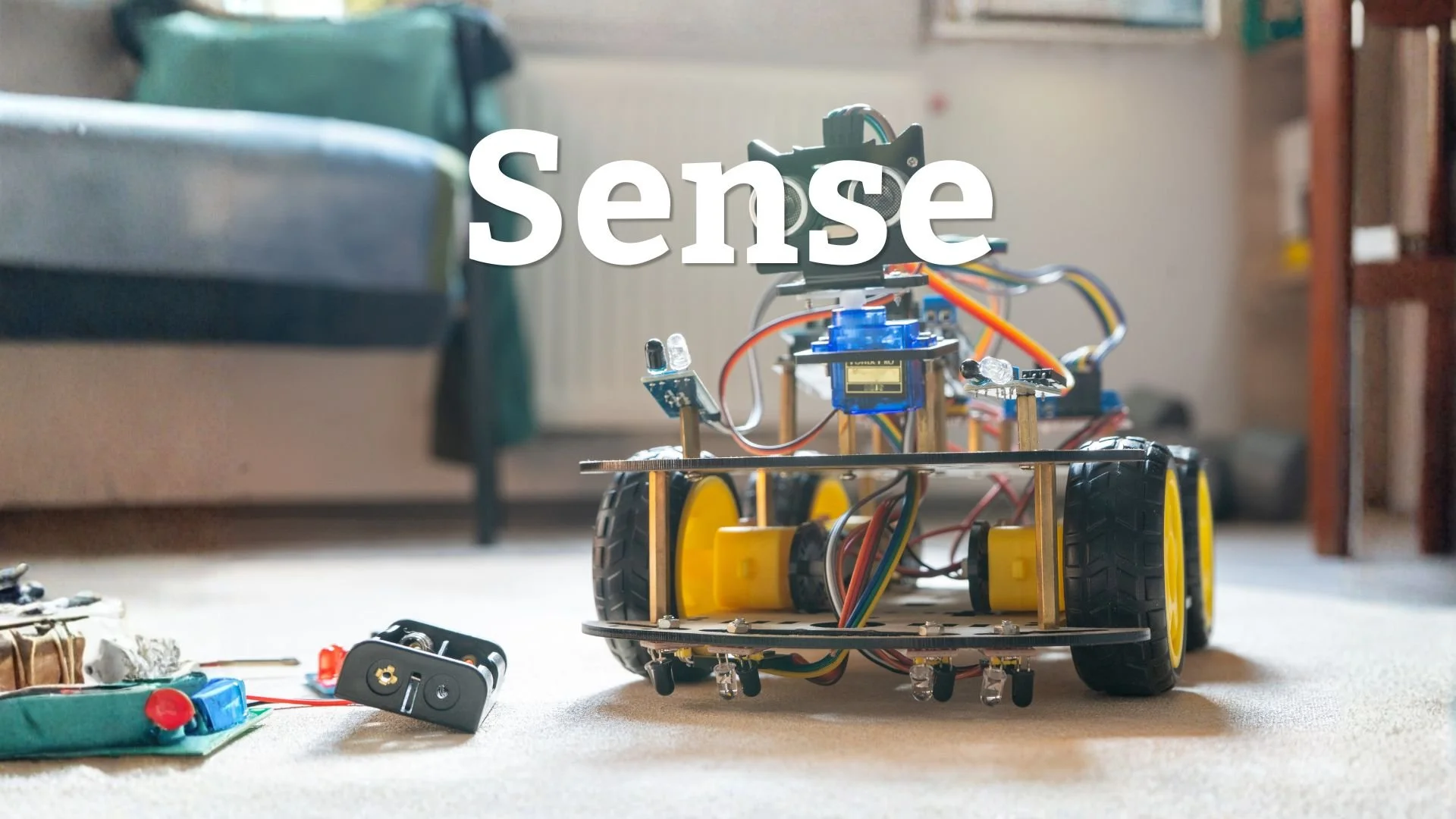

Collect information from the real world using sensors, cameras, buttons, microphones, and other physical inputs.

Use software, data, and AI models to interpret what the system is detecting.
Apply logic, control, or automation to choose the next response.
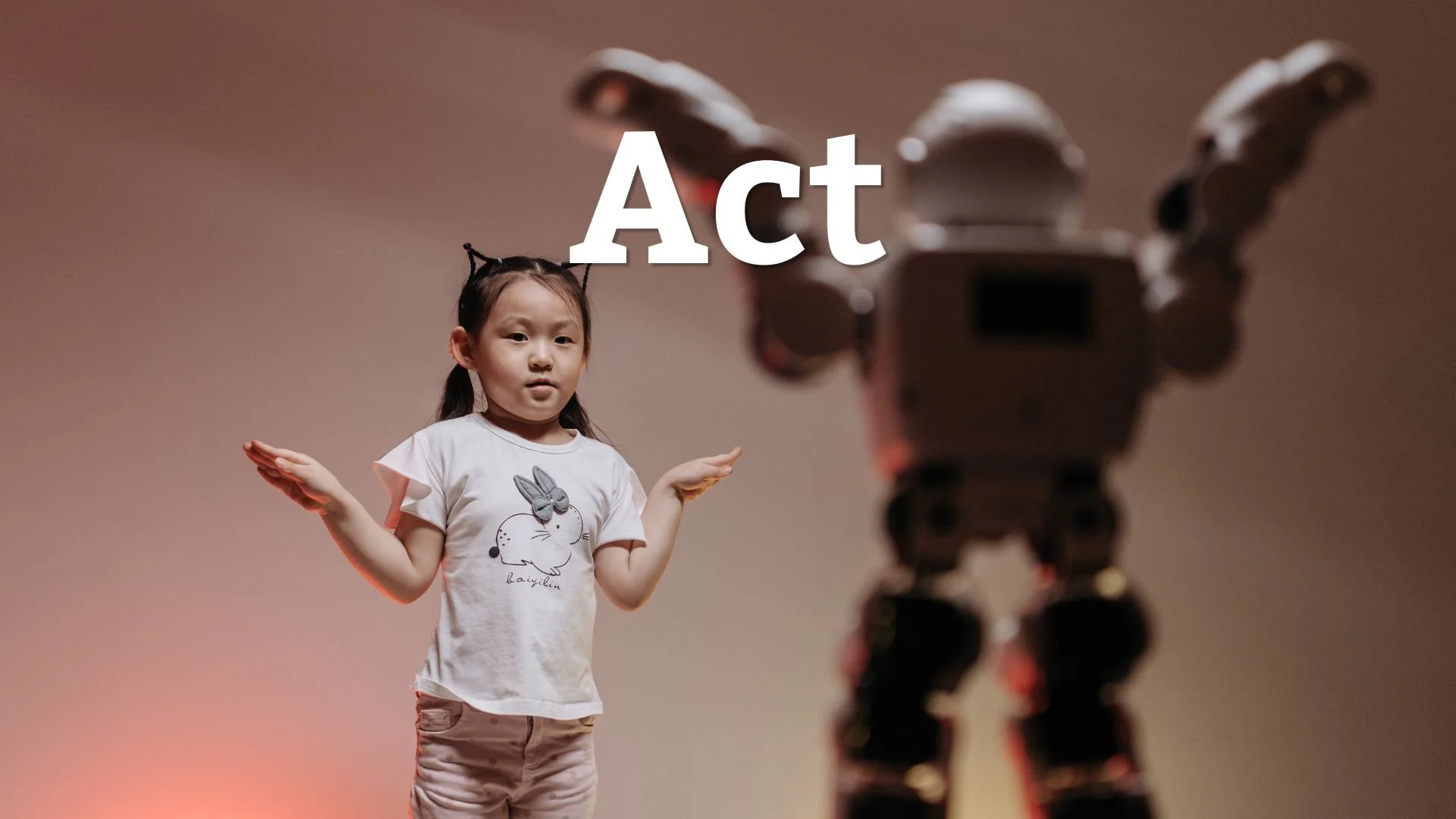

Move motors, robots, devices, displays, lights, or systems based on the decision.
Why Physical AI matters for the next generation
Students today are growing up in a world where AI will not only answer questions, but also operate machines, support automation, assist healthcare, monitor environments, improve cities, and power robotics systems.
Learning Physical AI helps students move beyond using technology. They begin to understand how intelligent systems are built, tested, and applied in real-world situations.

It makes AI tangible and hands-on.

It connects coding with real-world problem solving.
It builds confidence in robotics, sensors, and automation.

It prepares students for future engineering and technology pathways.
Physical AI vs Traditional AI
recommendation system
autonomous system
Example of Physical AI
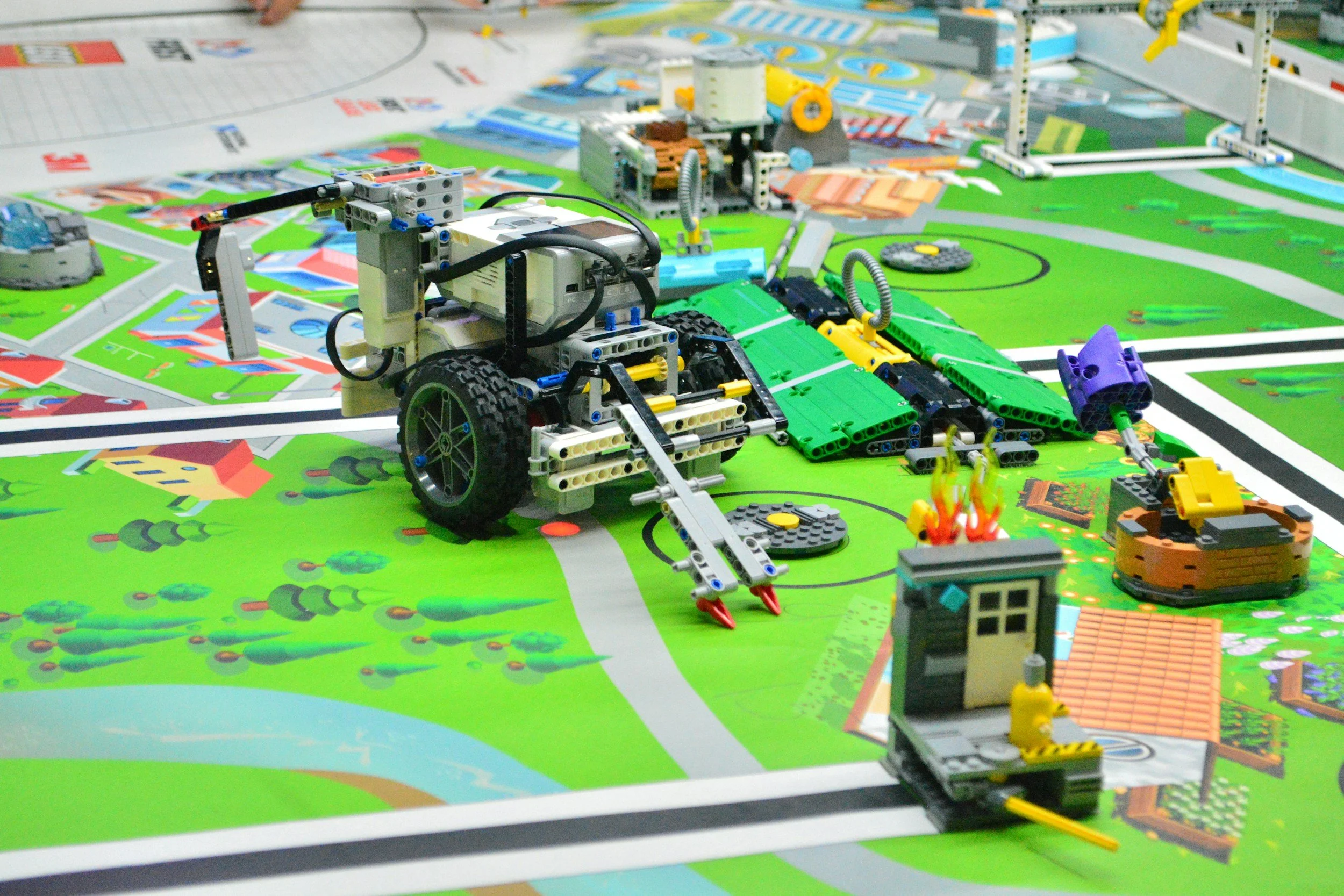
Smart Robot Car
A Robot that senses obstacles and changes direction.
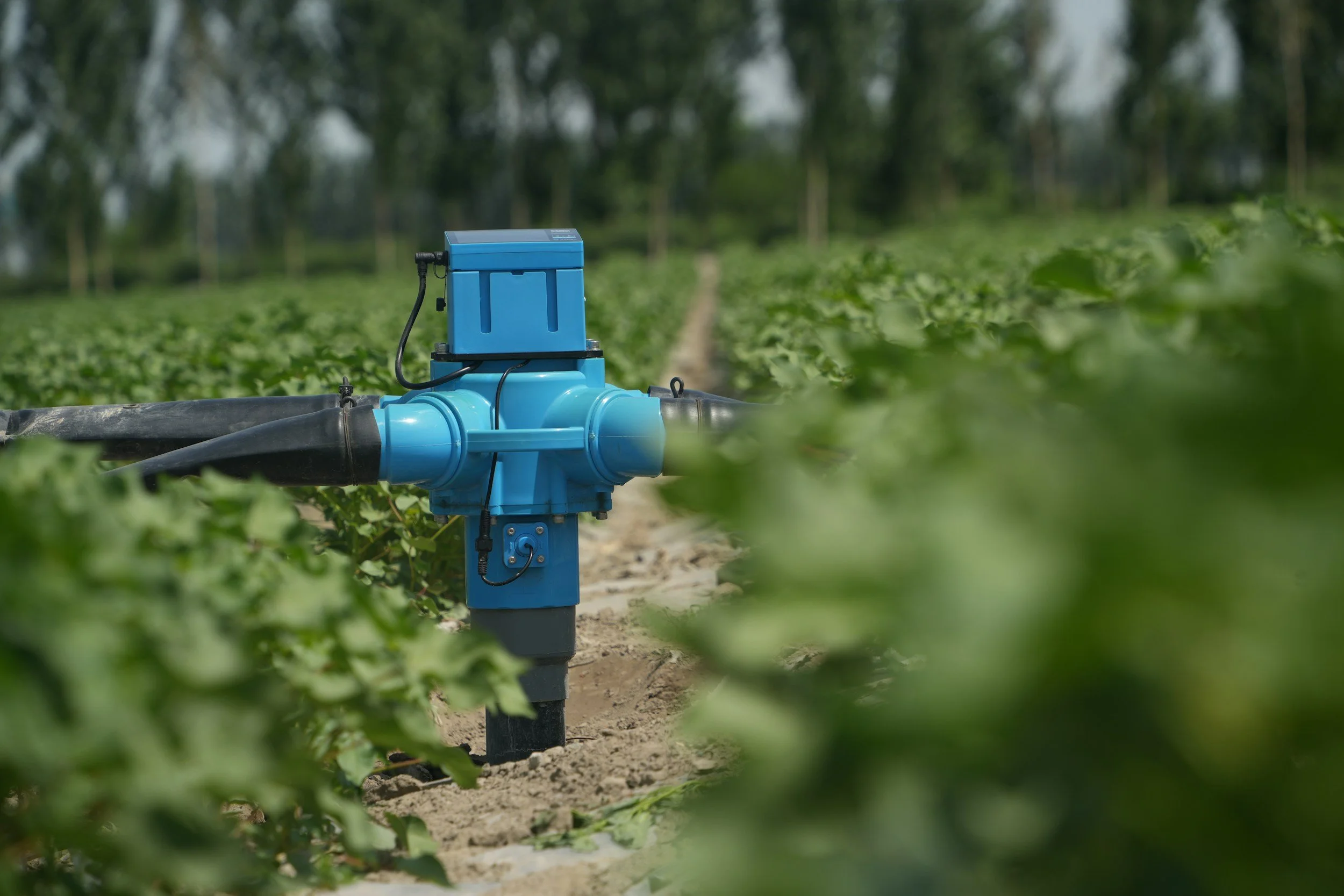
Smart Farming Sensor
A system that monitor soil, waters, or light and respond automatically.
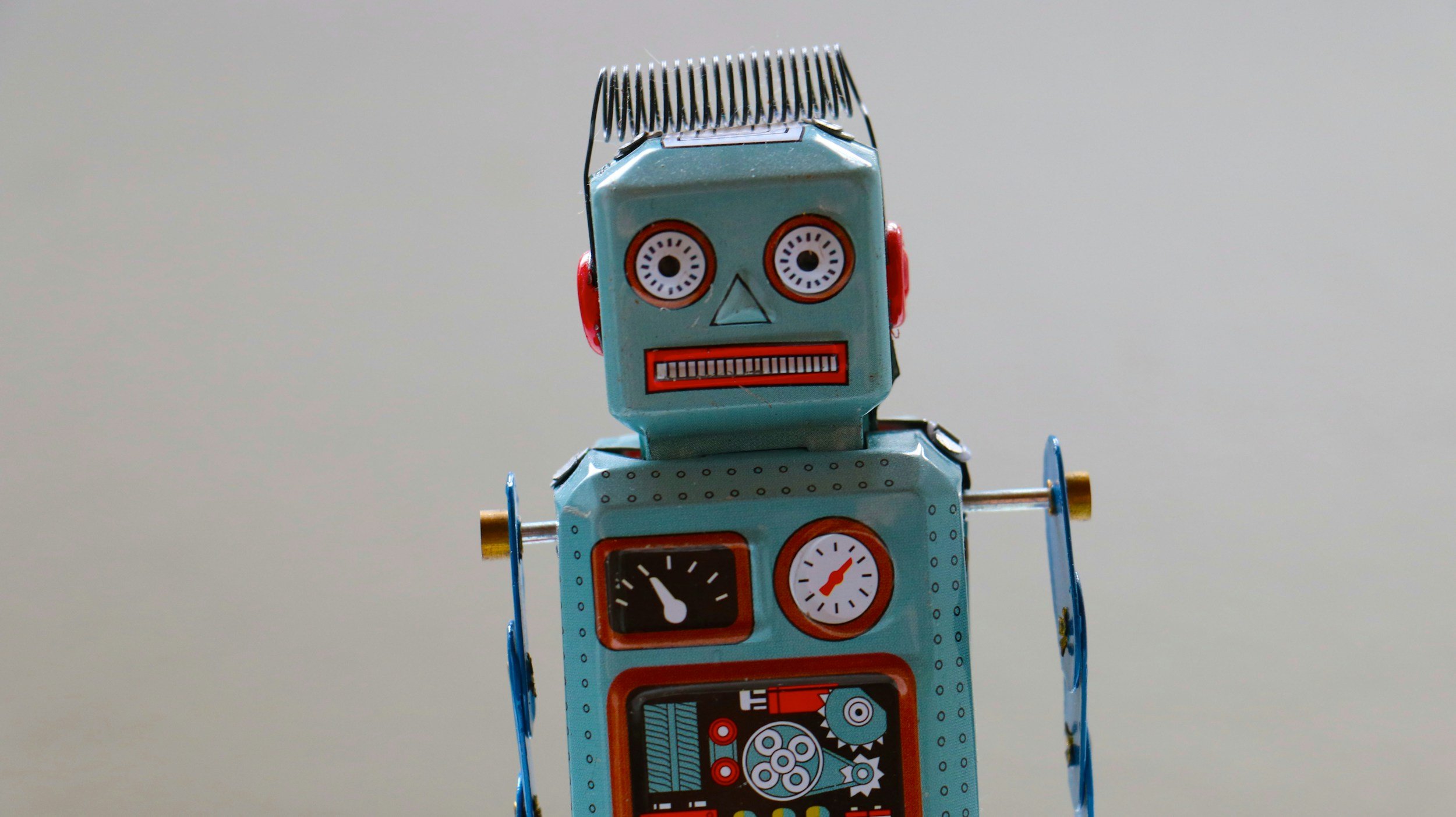
Classroom Projects
A student-built device that collects data and controls lights, fans, or displays.
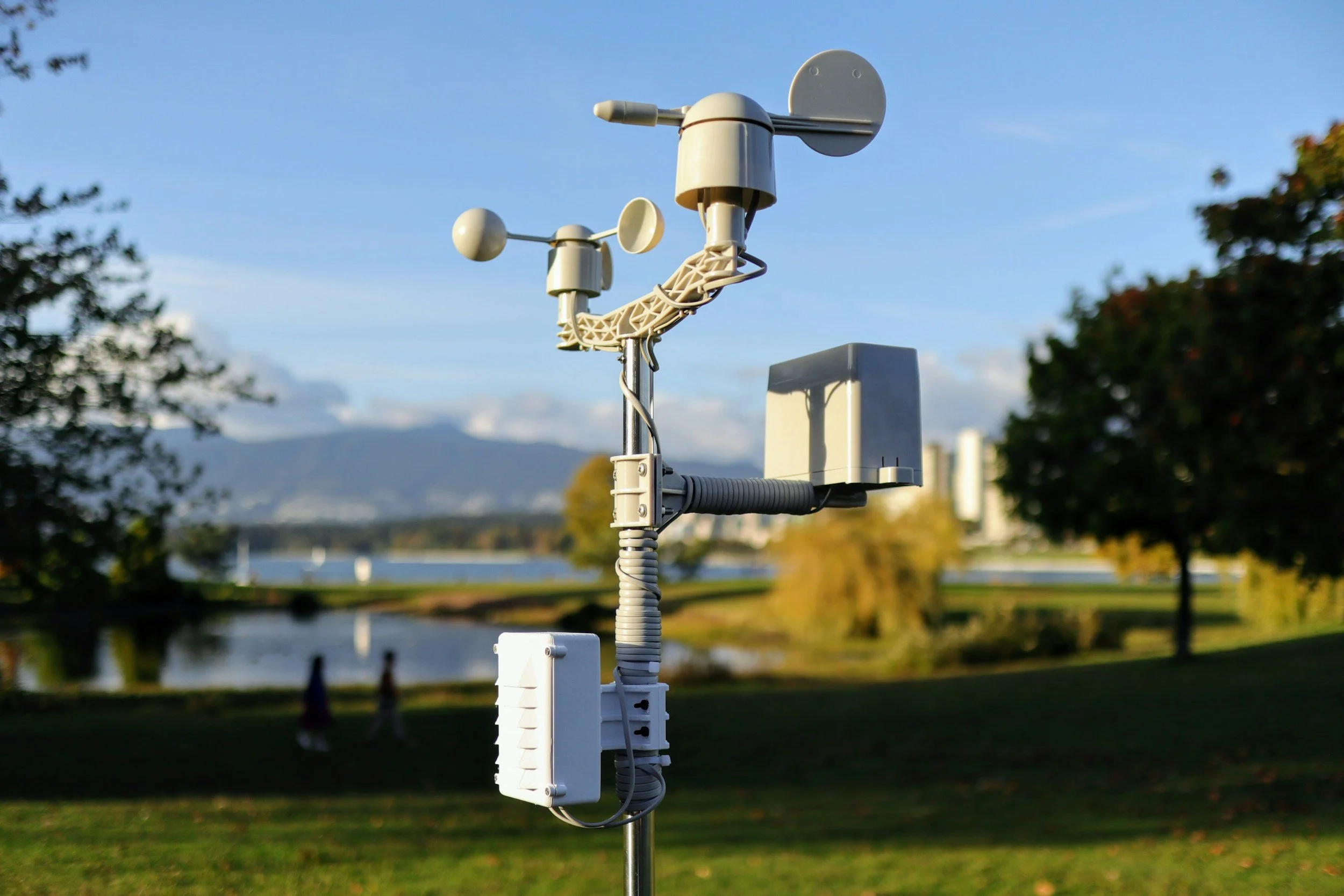
Environmental System
A sensor-based project that tracks air, water, or weather conditions.
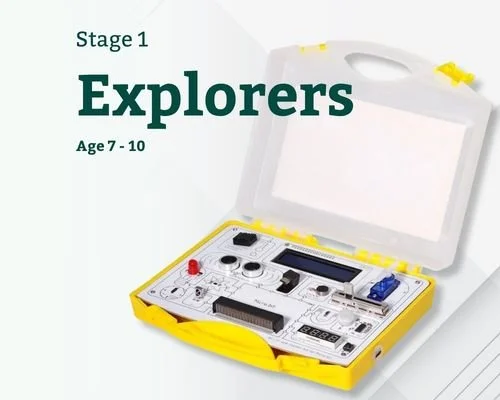
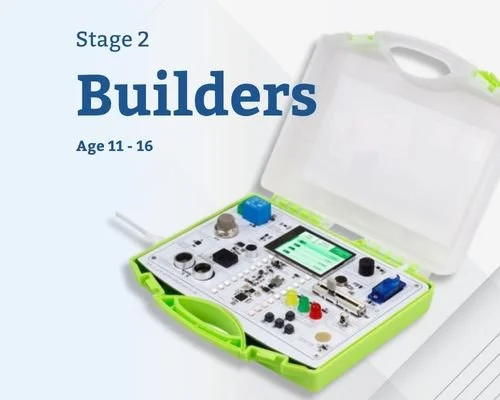
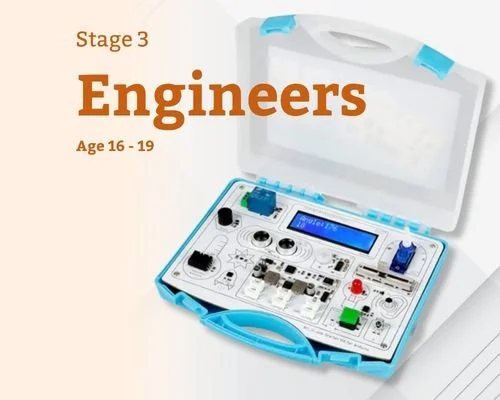
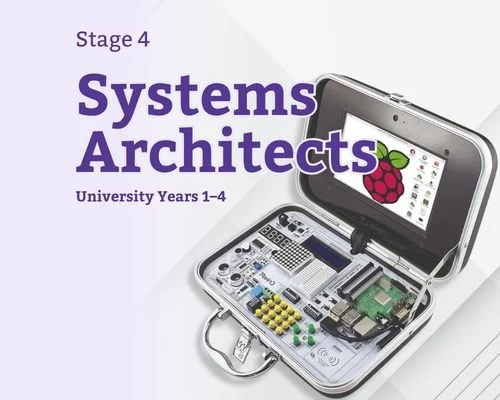
Student’s Physical AI Learning Journey
Ready to bring Physical AI
into the classroom?
Explore our STEM education kits and find suitable learning tools for your students, school, or programme.